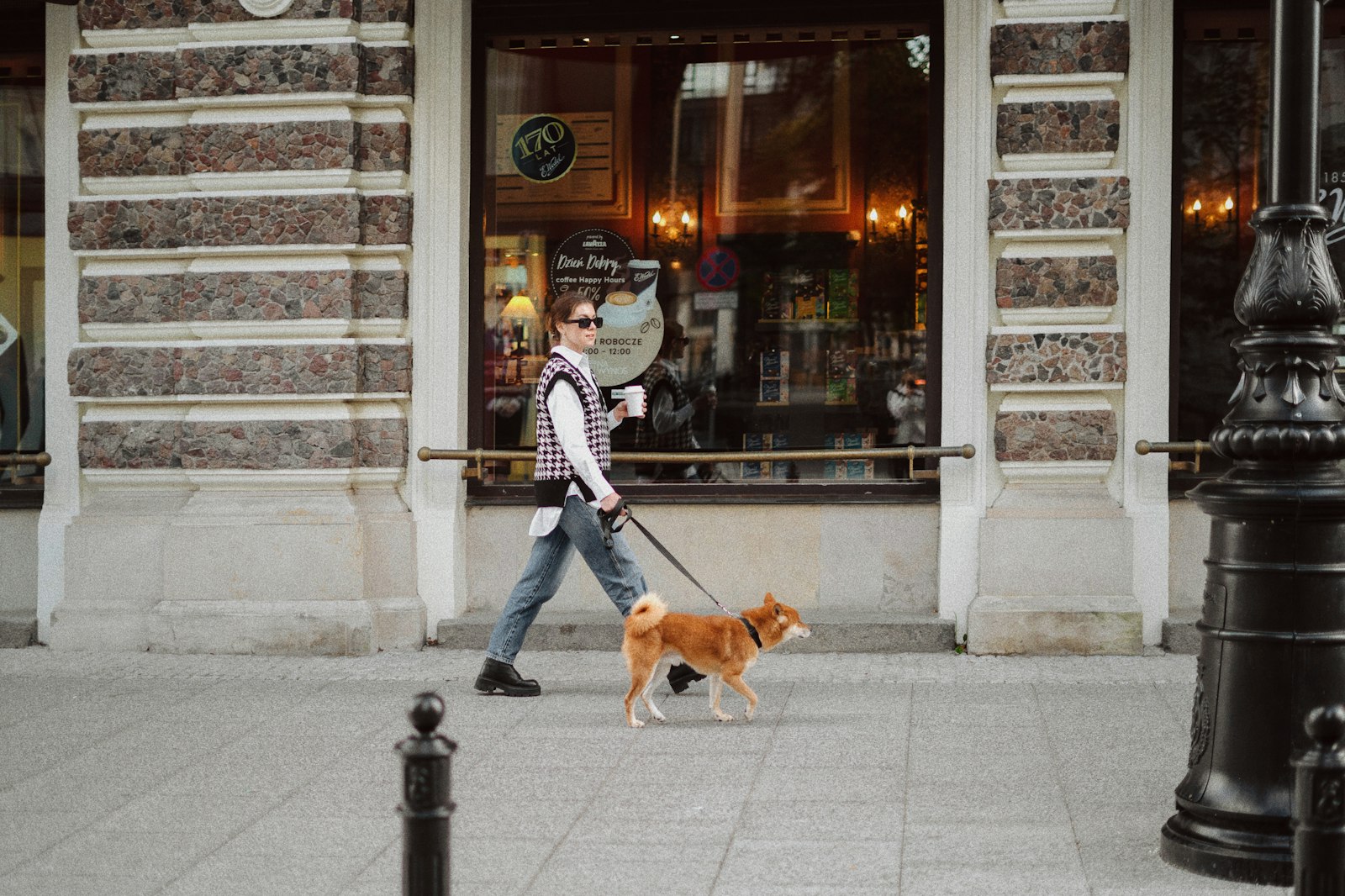

Loose-leash walking is a skill, not a personality trait. Any dog can learn it with consistent handling, the right equipment, and short repeated sessions. Our team practices loose-leash habits on every walk, and clients who reinforce the same cues at home see real progress within four to six weeks.
One of the most common requests we get from new clients is some version of: "Can you teach my dog to stop pulling?" The good news is yes, absolutely. The better news is your dog probably already knows how to walk on a loose leash, they just need consistent reinforcement from every human on the other end of the leash.
Why dogs pull in the first place
Dogs pull because pulling works. Every time your dog lunges toward a smell, a squirrel, or another dog, and you follow because they are dragging you forward, they learn that pulling gets them what they want. Fix that pattern and you fix the pulling.
The four biggest reasons for chronic pulling are:
- Inconsistent handling across walkers
- Equipment that gives the dog no feedback
- Walks that skip the warm-up and go straight to sniff-heavy stimulation
- Rewarding tension by moving forward when the leash is tight
The equipment we recommend for reactive or strong pullers
For most dogs, a well-fitted front-clip harness gives you enough leverage to redirect a pull without hurting your dog. For strong pullers we like the PetSafe Easy Walk or the Ruffwear Front Range. For dogs with tracheal issues, prong collars, or a history of harness escape, we do a meet and greet and figure out the right setup with the client.
Flat collars with the leash clipped to the back give the dog full leverage to pull, which is why almost every dog who pulls on a back-clip harness stops pulling as soon as we switch to a front clip.
The technique our walkers use every day
Here is what our team does on every single walk to reinforce loose-leash habits:
- Start with two minutes of structured heel work before letting the dog sniff around
- Reward with a treat every time the dog looks back to check in with the walker
- Stop moving the second the leash goes tight, wait for the dog to release the tension, and then resume walking
- Change direction randomly to keep the dog paying attention to the walker instead of pulling forward
- End the walk with a sit and a moment of calm before entering the house
How to reinforce at home
The number one reason loose-leash training fails is inconsistent handling. If our team walks your dog on a loose leash for 45 minutes at midday and you let them drag you home from the neighborhood walk after work, your dog learns that the rules depend on who is holding the leash.
The fix is simple in theory, harder in practice: everyone in the household follows the same protocol. Stop moving on tension. Reward check-ins. Use the same equipment. Give it four to six weeks of consistency and you will see real progress.
When to escalate to training
If your dog is reactive on leash, lunges at other dogs or people, or has bitten in the past, loose-leash walking alone will not fix the underlying behavior. We coordinate with our on-call ADB Certified Canine Behavior Counselor for cases like these and can talk through referral options at your meet and greet.
Book a free consultation by calling or texting (908) 340-0078 to talk through what your dog needs.