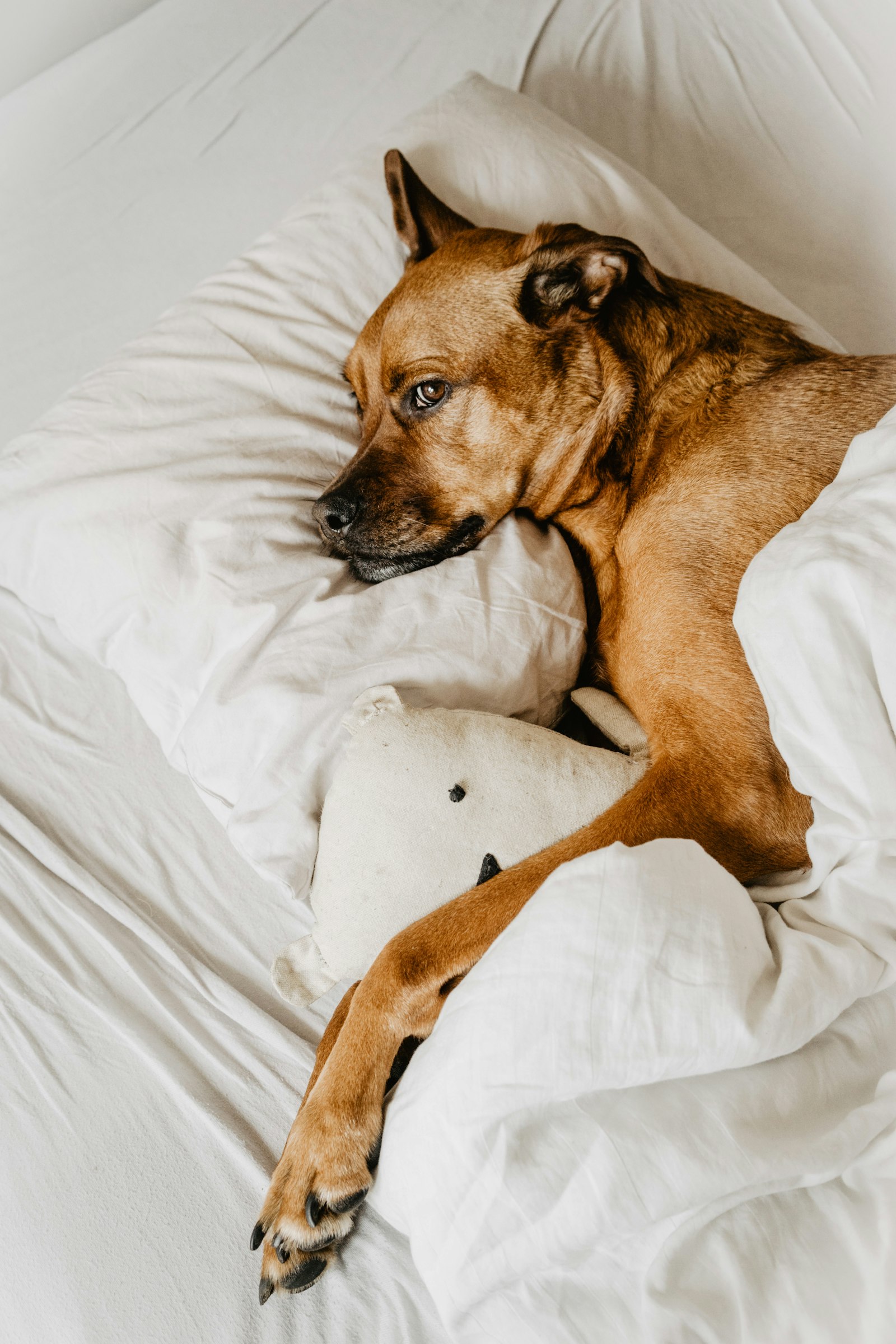
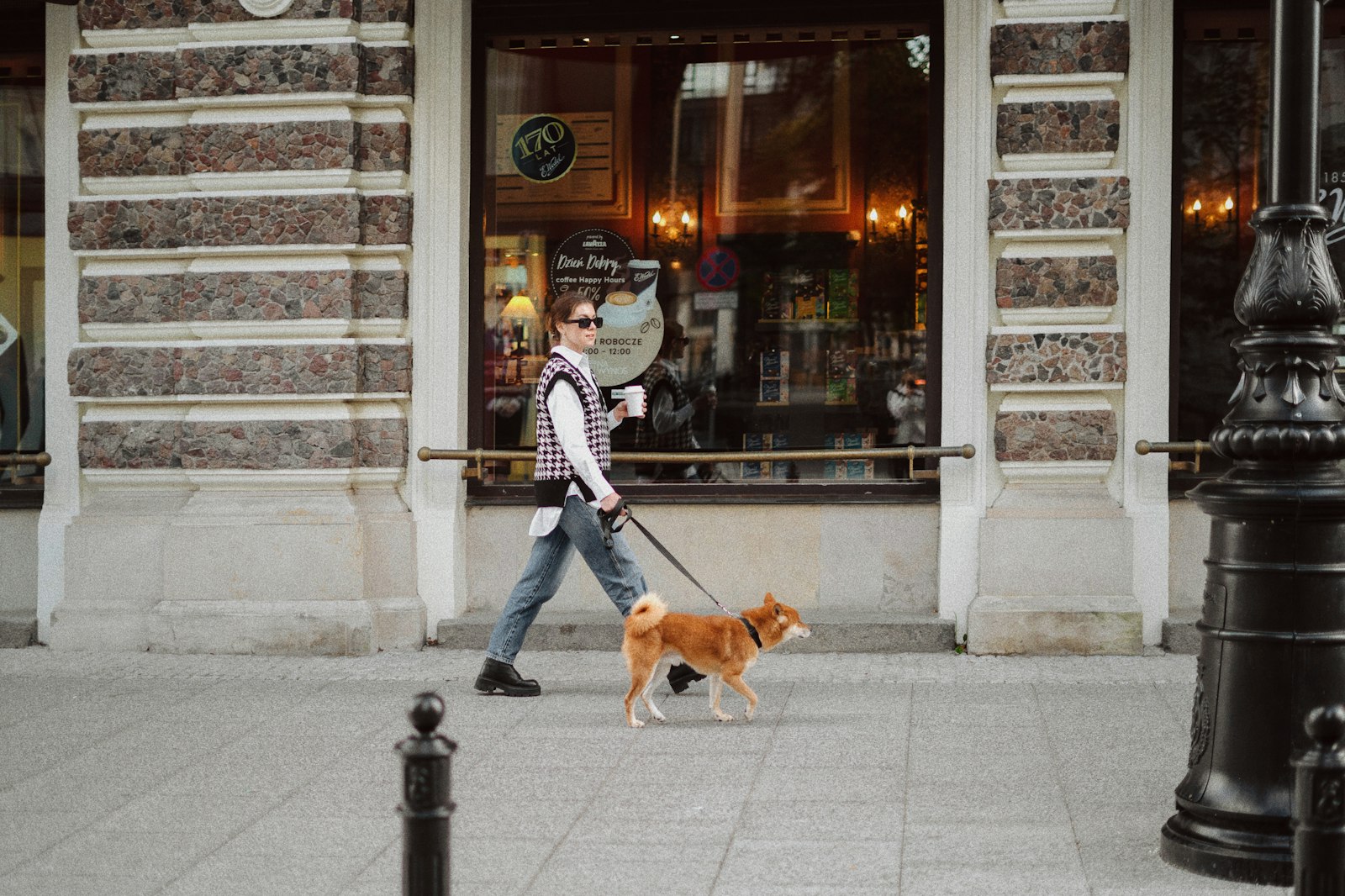
Adventure daycare takes small groups of dogs on real outdoor outings, hikes, park visits, structured play, with trained handlers, instead of keeping large groups of dogs together indoors all day. Traditional daycare works fine for a lot of social, easygoing dogs, but adventure daycare tends to be the better fit for anxious dogs, reactive dogs, and dogs who get overstimulated in a crowded indoor space.
We get asked constantly whether our Adventure Daycare is all that different from a standard doggy daycare down the street. It is, and the difference matters more for some dogs than others. Here's an honest breakdown of both models, so you can figure out which one actually fits your dog.
How traditional doggy daycare works
Most traditional daycares operate out of a single indoor facility, often a converted warehouse or commercial space, where dogs spend the day together in one or more large group play areas. Group sizes can run anywhere from a dozen to fifty or more dogs at once, supervised by a rotating staff.
This setup works well for dogs who are highly social, low in anxiety, and comfortable in loud, high-stimulation environments. A confident lab or a social young dog who loves meeting new dogs every day can genuinely thrive in that kind of setting.
How adventure daycare works
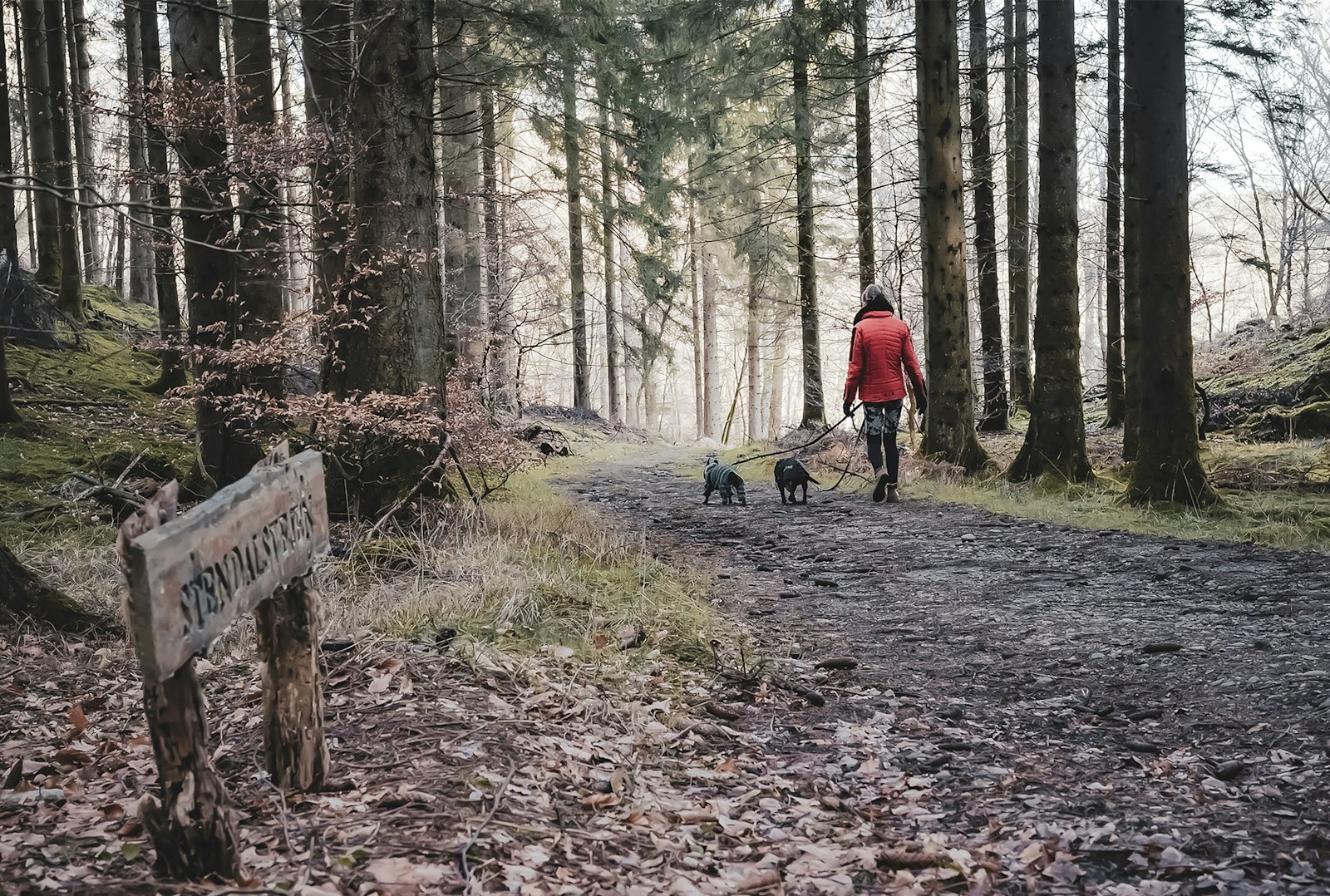
Adventure daycare, which is what we offer, takes dogs out of a single indoor space and into real outdoor environments instead, parks, trails, and open outdoor areas across Morris County. Groups stay small and are handled by trained team members who know each dog individually, not a rotating staff managing a large open floor.
Instead of one indoor room all day, a dog's day might include a walk at Loantaka Brook, structured play in a smaller group, and rest periods that aren't happening in a loud, echoing warehouse space.
Why small groups change the whole experience
Group size is probably the single biggest factor in how a dog experiences daycare. In a large group, dogs are constantly managing unpredictable interactions with dogs they don't know well, which is exhausting even for confident dogs and overwhelming for anxious ones. In a small group with the same familiar dogs and handlers, dogs settle in faster and stay calmer throughout the day.
Smaller groups also mean a handler can actually watch each dog's body language closely, catching early signs of stress or overstimulation before they turn into a real problem.
Which dogs tend to do better with adventure daycare
Anxious dogs. A quieter, smaller, outdoor setting reduces the sensory overload that a warehouse full of barking dogs creates. Anxious dogs often do noticeably better with fewer, calmer interactions spread across a real environment instead of a single crowded room.
Reactive dogs. As we've covered elsewhere on our blog, reactivity responds well to controlled exposure and threshold management, exactly what a small, trained-handler group can provide. A large open daycare floor makes threshold management nearly impossible, since dogs are packed together with no real way to create distance.
Older or lower-energy dogs. A big group daycare floor tends to reward high energy and constant play. Adventure daycare can be paced to fit a dog who wants a calmer day with some rest built in.
Dogs recovering from a rough start. Rescue dogs adjusting to a new home, or dogs with an uncertain socialization history, often do better easing into new experiences gradually rather than being dropped into a big group all at once.
Which dogs might do fine either way
Highly social, confident, low-anxiety dogs who genuinely love meeting new dogs every day can do well in either setting. For these dogs, the choice often comes down to preference, whether you like the idea of your dog getting real outdoor time and fresh air, or whether a single indoor facility is more convenient for your schedule.
What a day of Adventure Daycare with us actually looks like
Our team picks locations based on group size, weather, and the specific dogs in that day's group, which might mean a session at Lewis Morris County Park one day and a quieter neighborhood walk the next if the group includes a dog who needs a calmer pace. Every handler on our team is CPR and First Aid Certified, and we're fully insured and bonded, so a real outdoor setting doesn't mean cutting corners on safety.
For dogs with more complex behavioral needs, we also have Meredith Kiani, our ADB Certified Canine Behavior Counselor, available to consult on group placement, making sure a dog with a harder history gets matched with the right group size and pace instead of being placed somewhere that sets them up to struggle.
Making the choice
If your dog gets overstimulated easily, has any reactivity, or just seems like the type who'd rather have a smaller circle of friends than a huge crowd, adventure daycare is worth trying. If your dog is the type who makes friends with every dog at the park in about four seconds, either option will probably work well.
We're proud of the reputation we've built with 155+ Five-Star Google Reviews, and Adventure Daycare has become one of the services clients mention most when their dog didn't do well in a traditional setting.
Ready to book? Call (908) 340-0078 or visit pupsandrecreation.com for a free meet-and-greet.
Pups and Recreation is a family-owned dog walking and pet sitting business headquartered in Wharton, NJ. Serving Morris County since 2022.